Transform Your Team with Impactful Leadership Workshops

In complex organisational environments, leadership is not simply about holding a title or managing tasks. It is about cultivating a leadership identity that aligns with strategic objectives and influences others effectively. Over the years, I have observed that many leadership challenges stem from a disconnect between who leaders are, how they lead, and the organisational dynamics they navigate. This is where targeted, impactful leadership workshops become essential tools for transformation.
Leadership workshops designed with precision and strategic intent can unlock new levels of clarity, alignment, and execution within leadership teams. They provide a structured space for reflection, learning, and practical application that goes beyond theory. In this post, I will share insights on how well-crafted workshops can transform your team’s leadership capability and drive sustained organisational impact.
The Role of Impactful Leadership Workshops in Strengthening Leadership Identity
Leadership identity is the foundation upon which influence and execution rest. Without a clear sense of self as a leader, it is difficult to navigate the complexities of organisational life or to inspire confidence in others. Impactful leadership workshops create an environment where leaders can explore and refine their leadership identity in relation to their roles and organisational context.
These workshops often begin with exercises that encourage self-awareness and reflection on personal values, beliefs, and leadership styles. For example, a session might involve mapping out one’s leadership journey, identifying pivotal moments that shaped their approach, and discussing how these align with current organisational demands. This process helps leaders to articulate their leadership philosophy with greater clarity.
Moreover, workshops provide opportunities to examine how identity influences decision-making and interpersonal dynamics. Leaders learn to recognise patterns that may limit their effectiveness and develop strategies to shift these. The result is a more authentic and grounded leadership presence that resonates with teams and stakeholders.
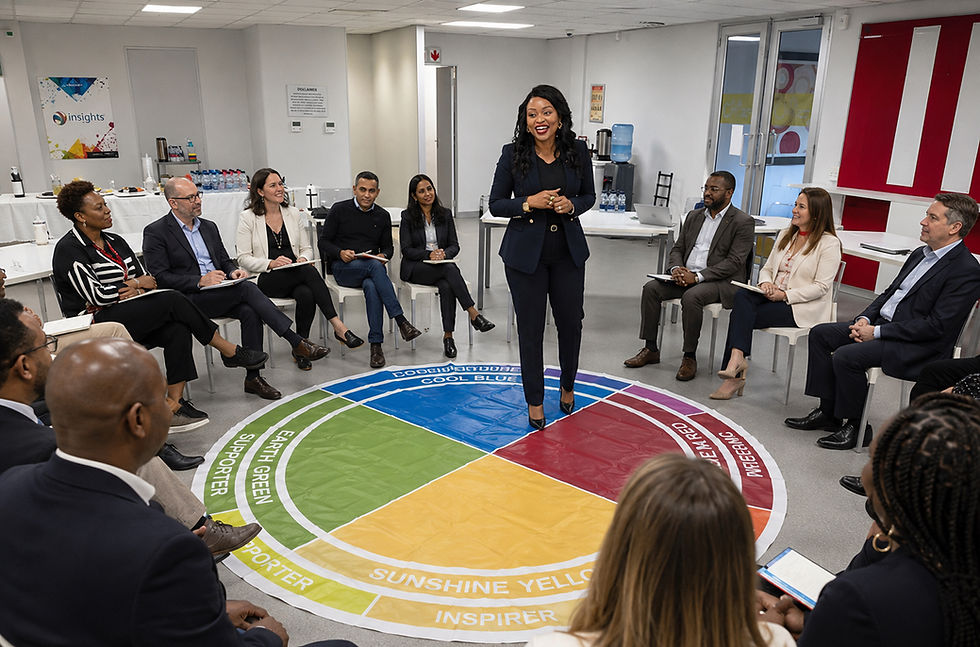
Enhancing Strategic Influence Through Collaborative Learning
Influence is a critical currency for leaders, especially those operating at senior levels where formal authority may be distributed or ambiguous. Impactful leadership workshops focus on enhancing strategic influence by fostering collaborative learning and peer exchange.
In these sessions, leaders engage in scenario-based exercises that simulate real organisational challenges. For instance, a workshop might present a complex stakeholder negotiation scenario requiring participants to apply influence tactics aligned with their leadership identity. Through role-play and feedback, leaders gain insight into how their communication style and approach affect outcomes.
Another key element is the exploration of organisational dynamics and power structures. Leaders learn to map influence networks within their organisations and identify leverage points for driving change. This understanding enables them to navigate politics with greater precision and build coalitions that support strategic initiatives.
The collaborative nature of workshops also encourages leaders to share experiences and perspectives, enriching their understanding of diverse leadership approaches. This peer learning fosters empathy and broadens the repertoire of influence strategies available to each participant.
Designing Workshops for Sustainable Organisational Impact
The effectiveness of leadership workshops depends heavily on their design and alignment with organisational goals. Workshops that are generic or disconnected from the specific context of the organisation often fail to produce lasting change.
A well-designed workshop begins with a thorough needs assessment involving key stakeholders. This ensures that the content addresses real challenges and opportunities faced by the leadership team. For example, if an organisation is undergoing digital transformation, the workshop might focus on leading change, managing ambiguity, and fostering innovation.
Workshops should also integrate practical tools and frameworks that leaders can apply immediately. This might include decision-making models, communication frameworks, or techniques for managing conflict. Providing actionable takeaways increases the likelihood that learning translates into improved performance.
Follow-up mechanisms are equally important. Workshops that include coaching sessions, peer accountability groups, or progress reviews help embed new behaviours and sustain momentum. This ongoing support is critical for translating insights into consistent leadership practice.

Practical Recommendations for Maximising Workshop Benefits
To maximise the impact of leadership workshops, consider the following practical recommendations:
Clarify Objectives - Define clear, measurable outcomes for the workshop aligned with organisational priorities.
Engage Senior Leaders - Ensure active participation from senior leaders to model commitment and reinforce the importance of the initiative.
Tailor Content - Customize workshop content to reflect the unique challenges and culture of your organisation.
Use Experiential Learning - Incorporate simulations, case studies, and role-plays to deepen understanding and skill development.
Facilitate Reflection - Build in time for individual and group reflection to consolidate learning and connect it to real-world application.
Provide Tools - Equip participants with frameworks and tools that support ongoing leadership development.
Plan Follow-up - Establish mechanisms for accountability and continued learning post-workshop.
By applying these principles, organisations can ensure that their investment in leadership development yields tangible improvements in leadership capability and organisational performance.
Embedding Leadership Development in Organisational Culture
Leadership workshops are most effective when they are part of a broader strategy to embed leadership development within the organisational culture. This means creating an environment where continuous learning, feedback, and growth are valued and supported.
Organisations can achieve this by integrating leadership development into performance management systems, succession planning, and talent management processes. Encouraging leaders to share insights and best practices from workshops with their teams also helps to cascade learning throughout the organisation.
It is also important to recognise that leadership development is a journey, not a one-time event. Regularly scheduled workshops, combined with coaching and mentoring, create a rhythm of development that sustains leadership growth over time.
For those seeking a structured and strategic approach to leadership development, bhc leadership workshops offer tailored programmes designed to strengthen leadership identity, influence, and execution. These workshops are grounded in real organisational challenges and delivered with a focus on practical outcomes.
Moving Forward with Intentional Leadership Development
Transforming your team through impactful leadership workshops requires intentionality and strategic focus. It is about creating spaces where leaders can deepen their self-awareness, enhance their influence, and align their actions with organisational goals.
As you consider your leadership development initiatives, reflect on how workshops can be designed and integrated to support sustained leadership growth. The right workshop can be a catalyst for change, equipping your leadership team to navigate complexity with confidence and clarity.
Leadership is a continuous practice of learning and adaptation. By investing in thoughtful, well-structured workshops, you lay the foundation for leadership that drives consistent performance and meaningful organisational impact.


Comments